Top things to do in Rome
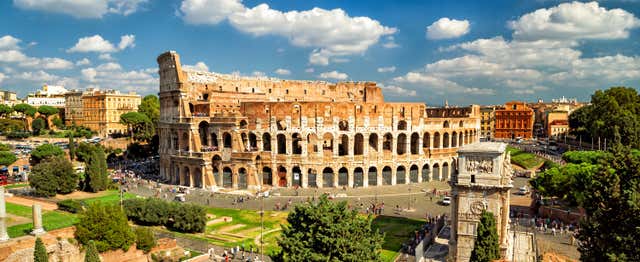
Rome is an open-air museum. Circle the Colosseum and Roman Forum, stand under the oculus of the 2,000-year-old Pantheon, toss a coin in the Trevi Fountain, and climb the Spanish Steps to Piazza del Popolo.
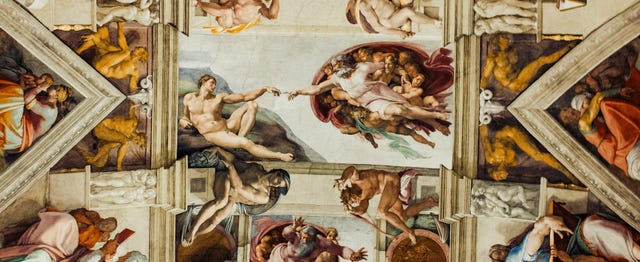
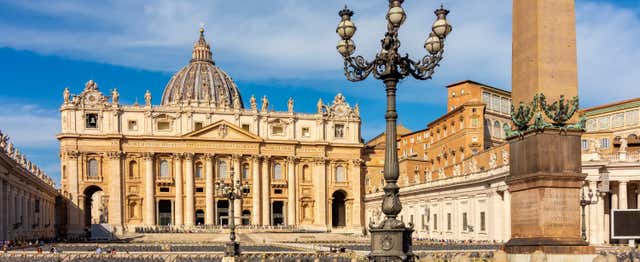
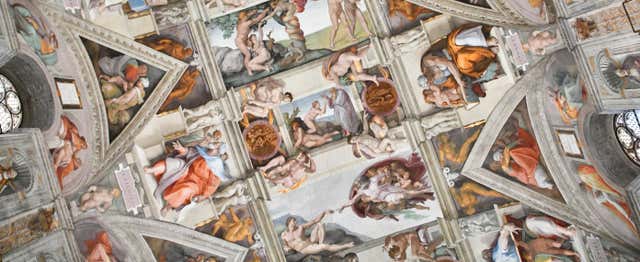
Cross into the Vatican for St. Peter's Basilica and the Sistine Chapel, then lose the crowds in Trastevere, where ivy-hung lanes and aperitivo bars make the perfect Roman evening.
Neighborhoods and where to eat
The centro storico holds the baroque squares; Trastevere and Monti are the atmospheric dinner-and-drinks districts, and the Testaccio market is the temple of authentic Roman cooking.
Eat the four pasta pillars — cacio e pepe, carbonara, amatriciana and gricia — plus supplì, Roman-style pizza al taglio and a proper gelato. Drink from the free nasoni street fountains as you walk.
Getting around and best time to visit
The historic center is best on foot; the metro is limited but buses and trams fill the gaps on a rechargeable ticket, and trains from Termini and Trastevere reach the airports. Dress modestly for churches — covered shoulders and knees.
April–May and late September–October are ideal: warm, golden and less oppressive than the July–August heat. Winters are mild and quiet, perfect for seeing the icons without the summer scrum.
Is a free walking tour in Rome worth it?
Rome is the city where the gap between looking and understanding is widest. You can stand in front of the Colosseum and see a ruin, or hear why the arches are numbered, who paid for it, and what was demolished to build it. A free tour buys you that second version for two hours, from a guide who fields questions as they come.
What it does not buy you is entry. Free tours do not go inside the Colosseum, the Roman Forum or the Vatican Museums, all of which are ticketed with timed entry, and even the Pantheon now charges a small admission. If your priority is interiors, budget for tickets and book them well ahead.
The honest sweet spot is the centro storico on your first morning. One walk connects Piazza Venezia, the Pantheon, Trevi and Piazza Navona into a single mental map, and everything you do afterwards makes more sense because you know how the layers stack: Roman below, medieval on top, baroque over both.
How booking and tipping work in Rome
You book online at no cost and the confirmation names the exact meeting point, classically under the maritime pines beside Trajan's Column, between Piazza Venezia and the Forum. Places are capped and Rome is busy nearly year round, so reserve a day or two ahead from Easter through October.
The tip comes at the end and the amount is yours to set. Between 10 and 20 euros per person is the normal Roman range. Carry small notes, since guides often cannot take card at a street corner, and cancel rather than no-show if your plans move.