Tokyo, Japan

Tokyo

Japan · 5 free tours

4.5 average · 3,593 reviews

Tokyo is dozens of cities wearing one name: the temple town of Asakusa, the electric canyons of Shinjuku, the fashion labs of Harajuku. Walking with a local guide turns overwhelming into unforgettable — and unlocks the etiquette, history and hidden lanes you’d never decode alone.

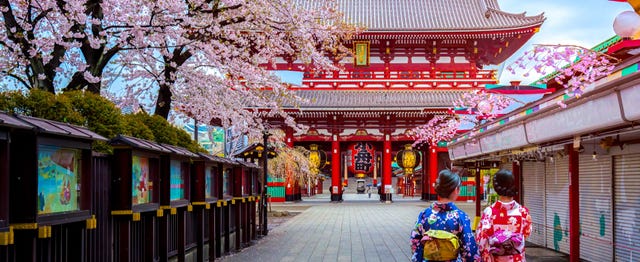
Classic routes pair Asakusa’s Sensō-ji temple with the old shitamachi (low city) atmosphere; west-side tours dive into Shibuya’s organized chaos and the yokocho alleys where Tokyo actually eats and drinks.

Free walking tours in Tokyo

Plan your visit to Tokyo

Top things to do in Tokyo

Tokyo swings from ancient to hyper-modern in a single day. Visit the 1,400-year-old Sensō-ji temple in Asakusa, cross the famous Shibuya Scramble, and find calm in the forest shrine of Meiji Jingū beside the fashion streets of Harajuku.

Ride to a free observation deck for the endless skyline, wander the electric lanes of Shinjuku and Akihabara after dark, and — if the season is right — catch cherry blossoms in Ueno Park or autumn colours along the moats of the Imperial Palace.

Neighborhoods and where to eat

Asakusa and Yanaka keep old Tokyo alive; Shibuya, Shinjuku and Harajuku are the neon west side, and Ginza is refined shopping and dining.

Eat sushi, ramen and tempura, grill your own at a yakitori alley (Omoide Yokocho), and graze a depachika food hall in the basement of a department store. Convenience-store meals are famously good, and tipping is not expected — great service is standard.

Getting around and best time to visit

The train and metro network is vast and punctual; a Suica or PASMO IC card taps you through everything, and the Narita/Haneda express trains reach the center fast. Stations are attractions in themselves, so allow buffer time.

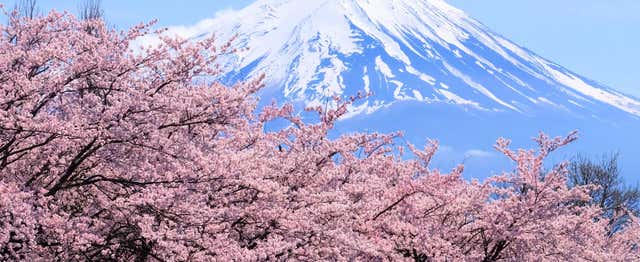
Spring (late March–April) for cherry blossom and autumn (October–November) for foliage are the magical windows — book ahead, they're popular. Summers are hot and humid; winters are cold, clear and much quieter.

Is a free walking tour in Tokyo worth it?

Tokyo is the city where a guide saves you the most time, because the scale defeats intuition. Thirteen million people, dozens of centres, and no single old town to anchor yourself in. A free tour does not attempt the city; it takes one district, Ueno or Asakusa or the west side around Shibuya and Shinjuku, and makes that district legible.

Set expectations accordingly. You will not tick off Tokyo in one walk, and anyone selling you that is overselling. What you get is a working method: how to read a shrine entrance, why the address system runs on blocks rather than streets, which alley behind the main road holds the food you actually came for.

The other reason it works here is language. Menus, signs and station exits stop being obstacles once someone has shown you the pattern, and two hours with a guide early in the trip pays for itself in every meal you order afterwards.

How booking and tipping work in Tokyo

Tours meet in their own neighbourhood rather than a single central point: the Ueno route at JR Ueno Station, the Asakusa route near the police box by the temple district, and the west side routes around Shibuya and Tochomae. Book free online and take the confirmation with you, since station exits in Tokyo are numerous and finding the right one matters more than the walk itself.

Tipping is the part that surprises visitors. Japan has no tipping culture, and in restaurants or taxis an offered tip is politely refused. Guided walks sold to international travellers are the exception: guides do accept a tip at the end, commonly 1,000 to 3,000 yen per person, handed over discreetly rather than waved about. If a volunteer guide declines, do not insist. A thank you and a good review carry real weight.

Good to know before you go

  • Cash still matters in small shops and shrines; carry some yen.
  • Eating while walking is frowned upon — your guide will show you where to stop and snack properly.
  • Train stations are attractions in themselves; give yourself buffer time, you will get (happily) lost.
  • Get a Suica or Pasmo card at the airport or any station. Every route you walk will connect to a train at some point, and tapping through beats queuing at a ticket machine you cannot read.
  • Eating while walking is considered impolite in most of Tokyo, including the food streets your tour passes. Buy the snack, step to the side, eat it there, and bin the wrapper at the stall you bought it from, because public bins are rare.
Beyond the free tours

Make the most of Tokyo

Paid experiences from our partner Viator — day trips, cruises and skip-the-line activities that pair well with a free tour.

Rest those walking legs

Where to stay in Tokyo

Well-reviewed stays from our partner Agoda. Prices are indicative for a double room, loaded live — your dates may vary.

Frequently asked questions

Are free walking tours in Tokyo really free?

Yes. There is no ticket and no upfront cost — you reserve a spot, show up and enjoy the tour. At the end you tip your guide whatever you feel the experience was worth. Most travelers tip the equivalent of ¥1,500–3,000 per person, but it is entirely up to you.

Where do free tours in Tokyo usually start?

Each tour meets in its own neighborhood — the Ueno tour at JR Ueno Station, the Asakusa tour near the local police station by the temple district, and the west-side tours at Shibuya and Tochomae stations. The exact meeting point is always confirmed on each tour page and in your booking confirmation.

Do I need to book in advance?

Booking is free and strongly recommended — groups are capped so tours stay personal, and popular time slots fill up fast, especially in cherry blossom and autumn seasons. You can cancel anytime at no cost.

How long is a free walking tour in Tokyo?

Two to three hours within a single district, covering 3 to 5 kilometres of flat ground. The walking is easy; the heat and humidity from June to September are the real difficulty, and winter departures are cold but dry and clear.

Am I supposed to tip on a free tour in Japan?

On tours sold to international visitors, yes, and 1,000 to 3,000 yen per person is normal. Outside that context Japan does not tip, so hand the money over quietly, ideally in an envelope, and accept a polite refusal from volunteer guides without pushing.

Can one tour cover Shibuya, Shinjuku and Asakusa together?

No, and be wary of any listing that claims it can. Those districts are 30 to 45 minutes apart by train. Each has its own tour, and doing two on separate days works far better than trying to compress them into one.

Free tools to plan your trip

Work out the tip, find the best month, compare cities or see what’s nearest — all free.