Lisbon, Portugal

Lisbon

Portugal · 5 free tours

4.8 average · 138,186 reviews

Lisbon rewards walkers like few cities in Europe: azulejo-covered facades, viewpoints around every corner and neighborhoods that feel like villages stacked on seven hills. A free walking tour is the fastest way to understand how the 1755 earthquake, the Age of Discoveries and fado shaped the city you see today.

Start with the classic downtown route through Baixa and Chiado, then go deeper with Alfama’s maze of alleys or the food scene around Mercado da Ribeira. Local guides will point you to the pastel de nata worth queuing for — and the ones that are tourist traps.

Free walking tours in Lisbon

Plan your visit to Lisbon

Top things to do in Lisbon

Start high: Lisbon is a city of miradouros (viewpoints), and the ones at Santa Luzia, Portas do Sol and Senhora do Monte hand you the whole tiled skyline for free. From there, the essential walk runs down through the Baixa, the grid rebuilt after the 1755 earthquake, to the riverfront arcades of Praça do Comércio.

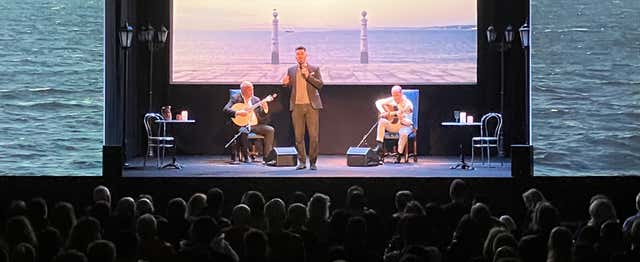
Ride tram 28 at least once — it rattles past half the city's landmarks — then climb into São Jorge Castle for the best panorama of all. Cross the river to Belém for the Age of Discoveries monuments and the original pastéis de nata, and save an evening for fado, Lisbon's melancholic soul music, in a small Alfama tavern.

Neighborhoods and where to eat

Alfama is the oldest, most atmospheric quarter — a Moorish maze of stairways and washing lines where fado was born. Chiado and Bairro Alto pair elegant shopping by day with the city's liveliest bar scene by night, while Príncipe Real and Cais do Sodré pull the design-minded and the after-dark crowd.

Eat your way through the Time Out Market for a fast survey of the city's best kitchens, then go local: grilled sardines in summer, bacalhau (salt cod) done a hundred ways, and a bica (espresso) with a warm pastel de nata. A ginjinha — sour-cherry liqueur — from a hole-in-the-wall counter is the classic street-corner ritual.

Getting around and best time to visit

Central Lisbon is walkable but steep — save your legs with the historic funiculars (Bica, Glória, Lavra) and tram 28. A rechargeable Viva Viagem card covers metro, trams, buses and the funiculars; the metro is quickest for the airport and Belém-bound trains leave from Cais do Sodré.

The sweet spots are spring (March–May) and early autumn (September–October): warm, bright and far less crowded than the July–August peak. Winters are mild but wetter. Whenever you come, free walking tours run rain or shine, so pack layers and real walking shoes for the calçada pavement.

Is a free walking tour in Lisbon worth it?

Lisbon is a city where a guide earns the tip on the route alone. Alfama and Mouraria are a maze of stairs, tunnels and unmarked alleys, and the difference between a beautiful climb and a pointless one is knowing which lane opens onto a viewpoint. A good guide walks you uphill in the order that makes sense and gets you to the miradouros without the dead ends.

The catch is those same hills. Free tours here involve real climbing on polished limestone that turns slippery in rain, and there is no way to route around it inside the old city. If stairs are a problem, choose a Baixa and Chiado route rather than an Alfama one, and say so when you book.

One more thing worth knowing before you plan: Belém, with the monastery and the tower, sits several kilometres west and is never part of a central walking tour. Treat it as a separate half day by tram 15 or the Cascais line train.

How booking and tipping work in Lisbon

Booking is free and takes a minute, and the confirmation carries the exact meeting point, usually Praça do Comércio, Rossio or Largo do Chiado. Places are limited and Lisbon runs busy from March to October, so a day of notice is sensible in season.

Tips in Lisbon usually land between 10 and 15 euros per person, handed over at the end in cash, and some guides now take card or MB Way. Nothing is charged upfront and nothing is compulsory. If your plans change, cancel instead of not showing up.

Good to know before you go

  • Wear real walking shoes — Lisbon’s calçada (mosaic pavement) is beautiful but slippery, and the hills are no joke.
  • Tours run rain or shine; in summer bring water and sunscreen, most routes have little shade.
  • Combine a morning tour with a ride on tram 28 in the early evening, when the queues die down.
  • The calçada portuguesa pavement is polished stone and genuinely slippery when wet. Grippy soles matter more here than in any other European capital.
  • Tram 28 crosses the same neighbourhoods your tour covers, but it is a pickpocket favourite at peak hours. Ride it early morning if you want the view without the crush.
Beyond the free tours

Make the most of Lisbon

Paid experiences from our partner Viator — day trips, cruises and skip-the-line activities that pair well with a free tour.

Rest those walking legs

Where to stay in Lisbon

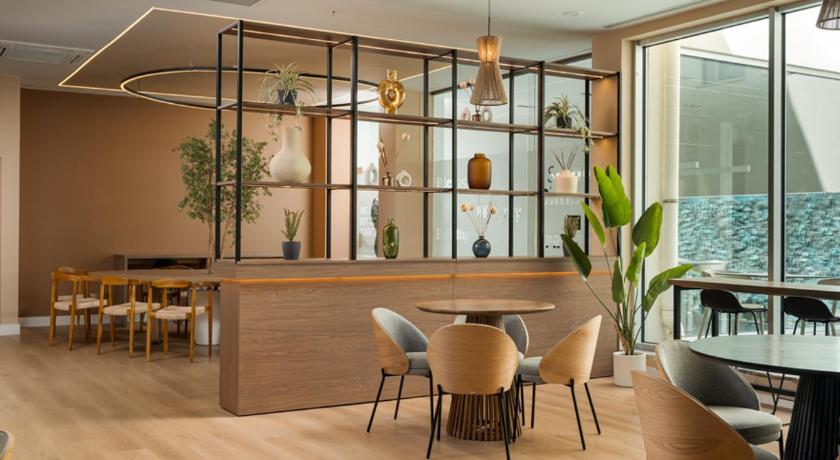
Well-reviewed stays from our partner Agoda. Prices are indicative for a double room, loaded live — your dates may vary.

Frequently asked questions

Are free walking tours in Lisbon really free?

Yes. There is no ticket and no upfront cost — you reserve a spot, show up and enjoy the tour. At the end you tip your guide whatever you feel the experience was worth. Most travelers tip the equivalent of €10–20 per person, but it is entirely up to you.

Where do free tours in Lisbon usually start?

Most downtown tours meet at the obelisk on Praça dos Restauradores, a two-minute walk from Rossio station. The exact meeting point is always confirmed on each tour page and in your booking confirmation.

Do I need to book in advance?

Booking is free and strongly recommended — groups are capped so tours stay personal, and popular time slots fill up fast, especially in high season. You can cancel anytime at no cost.

How long is a free walking tour in Lisbon and how hard is the walk?

Two to three hours over 3 to 4 kilometres, and the effort comes from the gradient rather than the distance. Alfama routes include long flights of steps and several steep cobbled ramps, so expect a workout in summer heat.

Does the free tour go to Belém or ride tram 28?

No on both counts. Central free tours stay on foot in the old city, and Belém is a separate trip by tram or train. Tram fares are not included in any free tour, so keep a Navegante card or contactless payment for the ride out.

What is the best time of day for a free tour in Lisbon?

Morning between June and September, before the hills get brutal and while the light in Alfama is still soft. In winter an afternoon departure is more pleasant, and late day tours have the advantage of finishing at a miradouro around sunset.

Free tools to plan your trip

Work out the tip, find the best month, compare cities or see what’s nearest — all free.