Top things to do in Prague
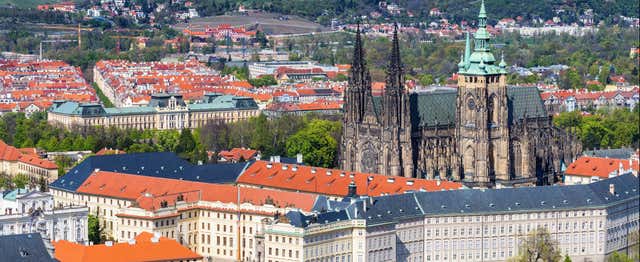
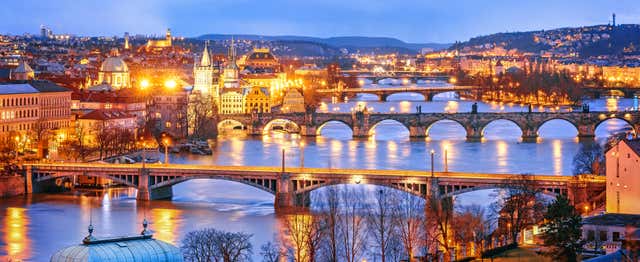
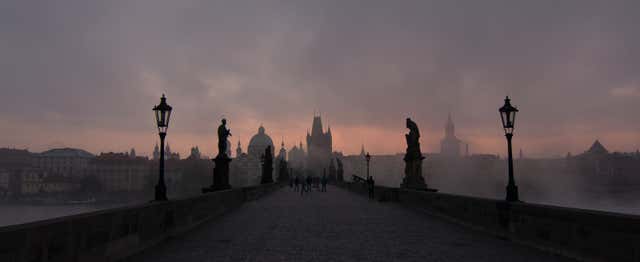
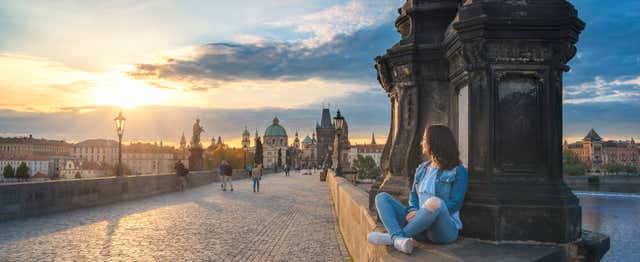
Prague is a preserved millennium of Gothic and Baroque. Watch the Astronomical Clock strike on the Old Town Square, cross the statue-lined Charles Bridge at dawn before the crowds, and climb to Prague Castle and St. Vitus Cathedral, the largest ancient castle complex in the world.
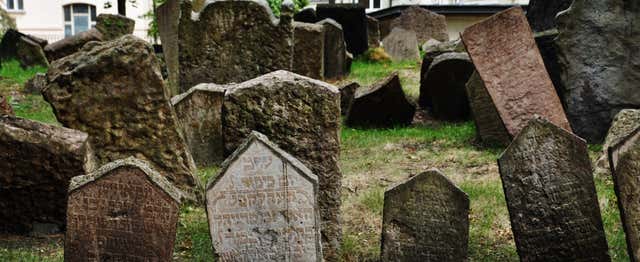
Wander the synagogues and old cemetery of the Jewish Quarter (Josefov), find the John Lennon Wall in Malá Strana, and end with a river view and a Czech beer — the country drinks more of it per head than anywhere on earth.
Neighborhoods and where to eat
The Old Town (Staré Město) and Malá Strana hold the fairytale core; Vinohrady and Žižkov are the leafy, pub-dense local neighborhoods away from the tour groups.
Try svíčková (beef in cream sauce with dumplings), goulash and a trdelník only if you must — and drink the pilsner where it was invented. A proper Czech pub (hospoda) is half the experience.
Getting around and best time to visit
The historic center is compact and walkable, on famously uneven cobblestones — wear sturdy shoes. Trams, metro and buses share one rechargeable ticket; tram 22 is a scenic ride up toward the castle.
Visit in spring (April–June) or September for mild weather and lighter crowds. Summers are busy and warm; December brings magical Christmas markets but real cold, so pack accordingly.
Is a free walking tour in Prague worth it?
Prague survived the twentieth century with its skyline intact, which is both the attraction and the trap. The old town looks like a film set, and without someone to point out which building held the Gestapo, which square saw the 1989 crowds, and why Josefov is a neighbourhood of empty synagogues, you get the postcard and miss the history underneath it.
Where a free tour disappoints is if you expected interiors. Prague Castle grounds are partly free but the palaces, the cathedral interior and the Jewish Museum sites all need tickets. A walking tour gets you to the gates with the context, not through them.
Practically, the strongest reason to book one is crowd management. Charles Bridge between ten and five is a slow moving queue of people, and a guide who takes it at eight in the morning or in the evening light shows you a different bridge entirely.
How booking and tipping work in Prague
Booking is free and the confirmation carries the meeting point, which varies by route: the classic walk starts on Wenceslas Square, the Castle and wartime routes at Malostranská metro station, and some tours gather by the Rudolfinum. Groups are capped, so reserve a day ahead from May to September and over the Christmas markets.
Tips here are usually given in Czech crowns rather than euros, and 200 to 400 CZK per person is the normal range. Guides will take euros, but you lose on the conversion. Withdraw crowns from a bank ATM, decline the machine's offer to convert to your home currency, and skip the street exchange stalls entirely.