Budapest, Hungary

Budapest

Hungary · 3 free tours

4.6 average · 65,371 reviews

Budapest is really two cities that merged into one only in 1873, when hilly Buda, quiet Óbuda and bustling Pest joined banks across the Danube. That divide still shapes how you experience it: medieval lanes and a royal castle climb the Buda side, while wide 19th-century boulevards and grand facades unfold across Pest. A free walking tour is the fastest way to make sense of a city that has survived Ottoman occupation, Habsburg rule, two world wars and four decades behind the Iron Curtain — and still keeps its café culture and thermal baths running exactly as before.

Start on the Pest side, where Andrássy Avenue, St. Stephen's Basilica and the riverside Parliament building trace the ambitions of a capital built to rival Vienna. Then cross to Buda for the cobbled Castle District and Fisherman's Bastion, or head to District VII to see how the old Jewish Quarter turned its bullet-scarred courtyards into some of Europe's most inventive ruin bars. Local guides will also tell you which thermal bath to visit afterward — and whether Széchenyi or Gellért suits your evening better.

Free walking tours in Budapest

Plan your visit to Budapest

Top things to do in Budapest

Split the city in half and start on the Buda side: wind up Castle Hill to Buda Castle, then walk to Fisherman's Bastion, a fairy-tale terrace of turrets that frames the best view of the Danube and the Pest skyline, right next to the colorful tiled roof of Matthias Church.

Cross the river on the Chain Bridge, the 19th-century suspension bridge that first linked Buda and Pest, and you land near the Hungarian Parliament, a riverside pile of spires and stained glass best seen at dusk when it's lit gold. Round out the day with St Stephen's Basilica and a long soak at Széchenyi Baths, the grand thermal pools in City Park that have been open since 1913.

Neighborhoods and where to eat

District VII, the historic Jewish Quarter, is Budapest after dark: crumbling courtyard buildings turned into ruin bars like Szimpla Kert, strung with fairy lights and mismatched furniture, sit a block from the Dohány Street Synagogue, the largest in Europe. By day, the same streets hide some of the city's best bistros and coffee houses.

For food, start at the Great Market Hall, a cast-iron 1897 hall stacked with paprika, sausage and pickled everything, then eat your way through the classics: a bowl of goulash, a plate of stuffed cabbage, and lángos — fried dough piled with sour cream and cheese — from a street stall. Finish with a kürtőskalács, the sugar-crusted chimney cake sold hot on nearly every corner.

Getting around and best time to visit

Central Budapest is flat and walkable, and the compact core spans both banks of the Danube, easily crossed on foot via the Chain Bridge or a handful of others. Metro line 1, opened in 1896, is continental Europe's oldest underground line and still runs beneath Andrássy Avenue, while trams 4 and 6 loop the Grand Boulevard and count among the busiest tram routes in Europe.

The sweet spots are spring (April–May) and early autumn (September–October), mild and green before or after the summer crowds and heat. Summers run hot and winters cold, but the thermal baths make Budapest a genuine year-round destination — and Margaret Island, the car-free park in the middle of the Danube, is worth a stroll whatever the season. Free walking tours run throughout the year, rain or shine.

Good to know before you go

  • Hungary uses the forint, not the euro — cards are widely accepted, but keep some cash for market stalls, bath locker deposits and tips.
  • Buda's Castle Hill and Gellért Hill are steep; wear real walking shoes, especially on the cobblestones around Fisherman's Bastion.
  • Pack a swimsuit — even a short soak in a thermal bath like Széchenyi or Rudas is one of the best ways to end a day of walking.
Beyond the free tours

Make the most of Budapest

Paid experiences from our partner Viator — day trips, cruises and skip-the-line activities that pair well with a free tour.

Rest those walking legs

Where to stay in Budapest

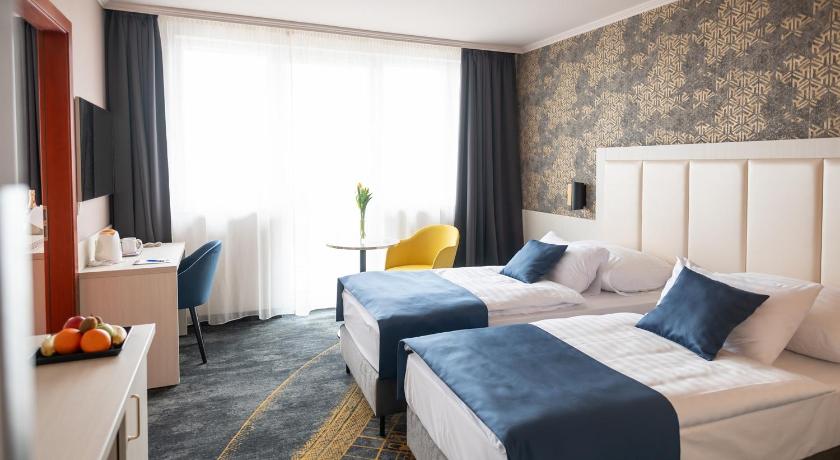
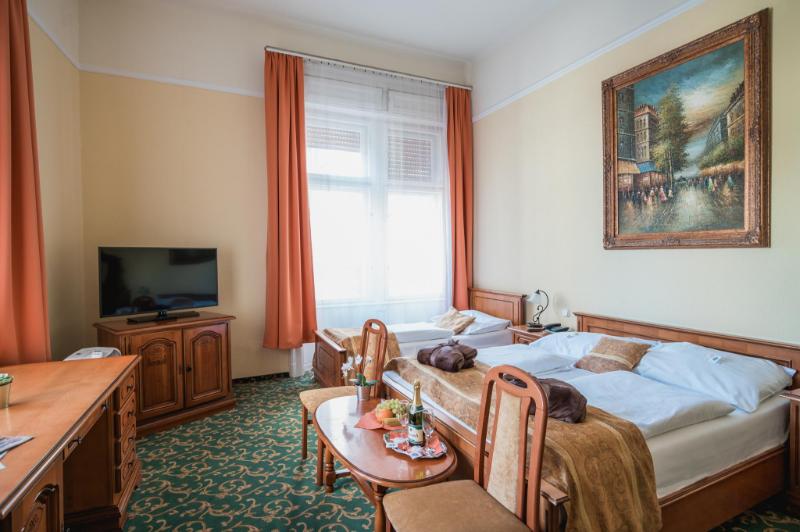
Well-reviewed stays from our partner Agoda. Prices are indicative for a double room, loaded live — your dates may vary.

Frequently asked questions

Are free walking tours in Budapest really free?

Yes. There is no ticket and no upfront cost — you reserve a spot, show up and enjoy the tour. At the end you tip your guide whatever you feel the experience was worth. Most travelers tip the equivalent of €10–20 per person, but it is entirely up to you.

Where do free tours in Budapest usually start?

Most tours of central Pest meet at Madách Imre Square, a short walk from Deák Ferenc tér, while the Buda Castle route sets off from Széll Kálmán Square on the other side of the river. The exact meeting point is always confirmed on each tour page and in your booking confirmation.

Do I need to book in advance?

Booking is free and strongly recommended — groups are capped so tours stay personal, and popular time slots fill up fast, especially in high season. You can cancel anytime at no cost.